How important is knowing the right people when pursuing a career in the creative industries?
Networking is the process of establishing and maintaining professional relationships with people who share similar interests, skills or career goals. The process can happen through online communities, professional events, educational institutions and even casual conversations. This isn’t limited to professionals. Students, graduates, freelancers and hobbyists can all establish valuable communications. In many cases, networking can be considered common practice.
Why networking matters
The creative industries rely heavily on collaboration. A film director needs an editor, a musician needs an illustrator for album artwork, a game developer needs a composer for music, the list goes on. Networking helps people discover professionals with complementary skills, and can also lead to job opportunities, collaborations, mentorship and industry knowledge. That doesn’t mean you will instantly get a job, but it does introduce these opportunities to you. Your skills, reliability and experience are still extremely important.
It doesn’t just benefit you. It’s good for both parties. An experienced professional might offer advice to a student, while the student might later introduce that professional to a new collaborator or project. It’s a process that works for everyone, and maintaining that constant stream of communication will benefit you and the person you meet now and also in the long run.
Researching your Industry
Before approaching people, it helps to understand the industry you’re interested in. For example, an aspiring animator might research a variety of studios, big and small, or look into directors and artists. A graphics designer could look into creative directors and design agencies, and a filmmaker could research production companies and film festivals. Not only does research help you learn about places of employment, but also about relevant events or communities.
It allows better preparation for starting conversations as well. Instead of just contacting someone with a generic request for employment, you could discuss a particular project they’ve worked on or ask thoughtful questions about their career. That demonstrates genuine interest, rather than simply just looking for work.
Networking online
Online networking is without a doubt the easiest way for students and emerging creatives to connect. That doesn’t mean every social network is equally useful however. LinkedIn is helpful for connecting with employers, recruiters and industry professionals. Behance is great for discovering artists, designers and potential collaborators. Artstation is good for finding illustrators and entertainment artists. Discord, my personal favourite, is great for joining creative communities and finding likeminded individuals.
When online, commenting thoughtfully on somebody’s work, joining relevant discussions and sharing your own projects can help build professional relationships. Many sources will recommend LinkedIn, as do I. For industry workers, that is the perfect place to go. But don’t shy away with trying out Discord. Not only can you find likeminded people nearby, but also at an international scale. There are people all over the world who could potentially work with you, but it’s just as important to maintain a meaningful connection in that sense.

Networking at events
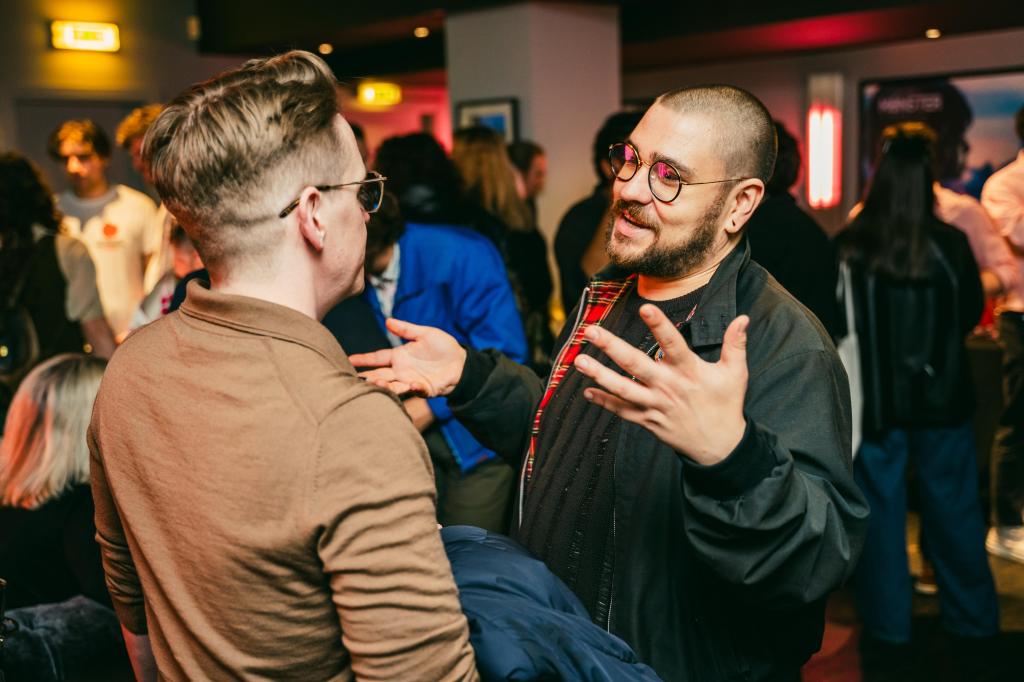
Digital communication and face-to-face interactions are two very different scenarios. Events such as creative conventions, film festivals and exhibitions, they give people opportunities to speak directly with professionals. An animator might attend the MOVE Summit, while a film maker might go to a local film festival, or an abroad one like at Cannes.
With meeting someone in person, you are more likely to see the real them. Nobody’s hiding behind a screen, leading to more natural and fluent conversations, and that gives a chance to make a great first impression. Other sources will tell you to do research and learn about organisations before meeting someone behind them, making the conversation not only clean, but enjoyable for both of you. You shouldn’t feel obligated or uncomfortable talking to them. It does feel intimidating, especially for newcomers, but attending with others or starting at smaller events can help ease the tension.

Professional ediquette and your own strategy
One important thing to note is networking should feel like a conversation, not a sales pitch. It’s impressive if you’ve thought ahead and created business cards containing a name, contact information and a QR code to your portfolio, but you do need to respect people’s time, listen attentively and avoid asking for employment. One of the easiest ways to start networking is with the people surrounding you, such as classmates, lecturers and former colleagues. I would personally do the same thing, and I also recommend trying to get in contact with students that once went to the same college, assuming you’re a student. They will have interesting information that will be 100% relevant, as they’ve been in the exact same position as you.
Overall, I strongly believe that building lasting relationships is important for working in the creative industries. Networking works not only for employment, but for general collaboration aswell. But a key part to remember is quality over quantity. It’s better to have ten healthy connections than a thousand distant ones. If you keep people invested, you’ll do well.
Sources
National Occupational Standards – Develop and use professional networks
ScreenSkills – How to network well


Leave a Reply